Mobile, Free,
Cosmopolitan?
Digital Nomads between Freedom, Commodification and Contestation
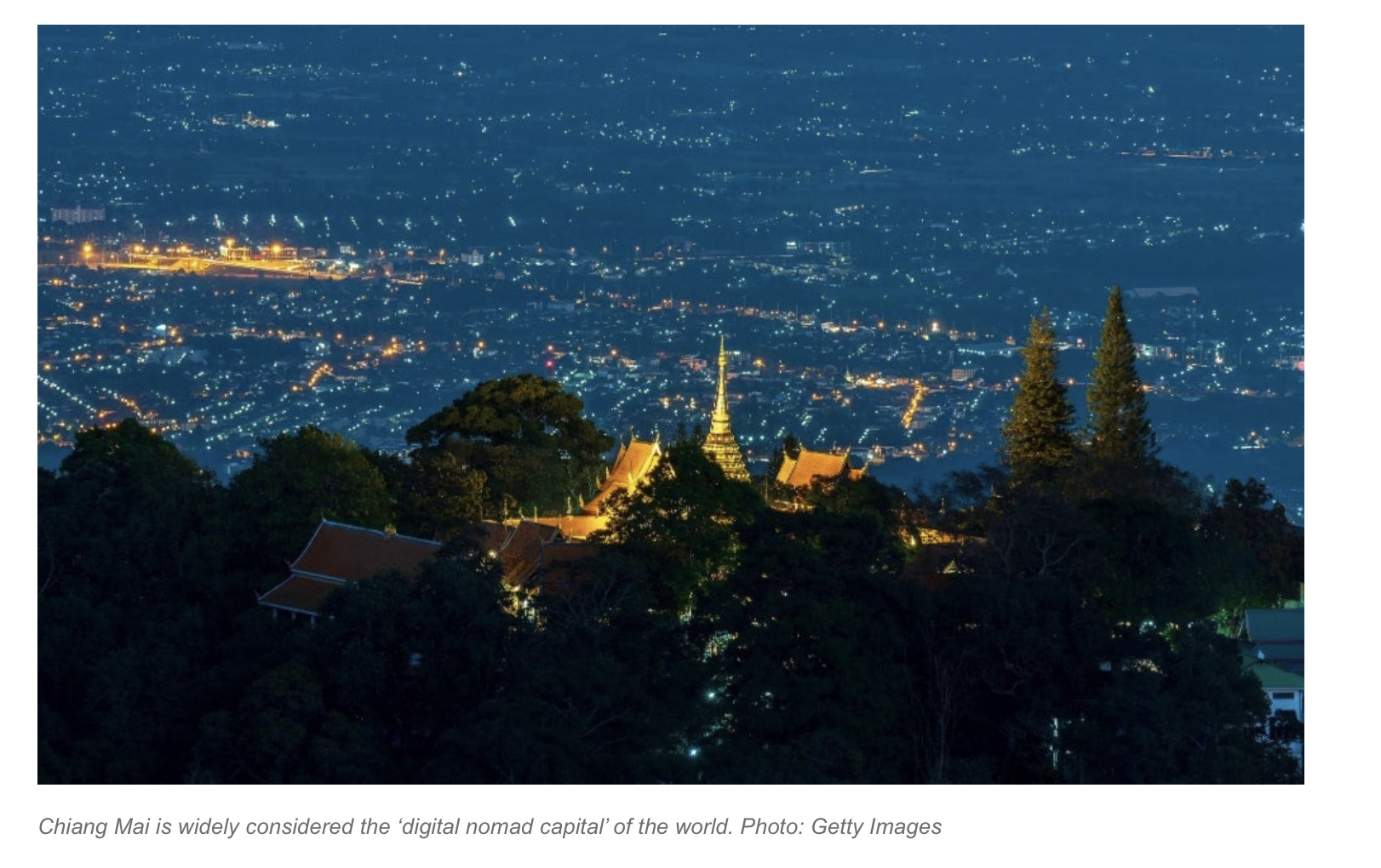
A Morning in
Chiang Mai
- A café full of laptops
- Video calls to Europe
- Editing videos, building websites
- Many are foreigners
Digital nomads use digital technologies to work location-independently while travelling; their income comes from outside the destination. 数字游民:靠数字技术远程工作、边流动边生活,收入来自目的地之外。
Three questions,
one figure
Does this lifestyle really give people freedom?
Freedom to work, to move, to choose a life.
What does it do to the places where they live?
Rent, work, culture — and who pays for it.
Does living in many countries make someone a “citizen of the world”?
Mobility versus a genuinely global outlook.
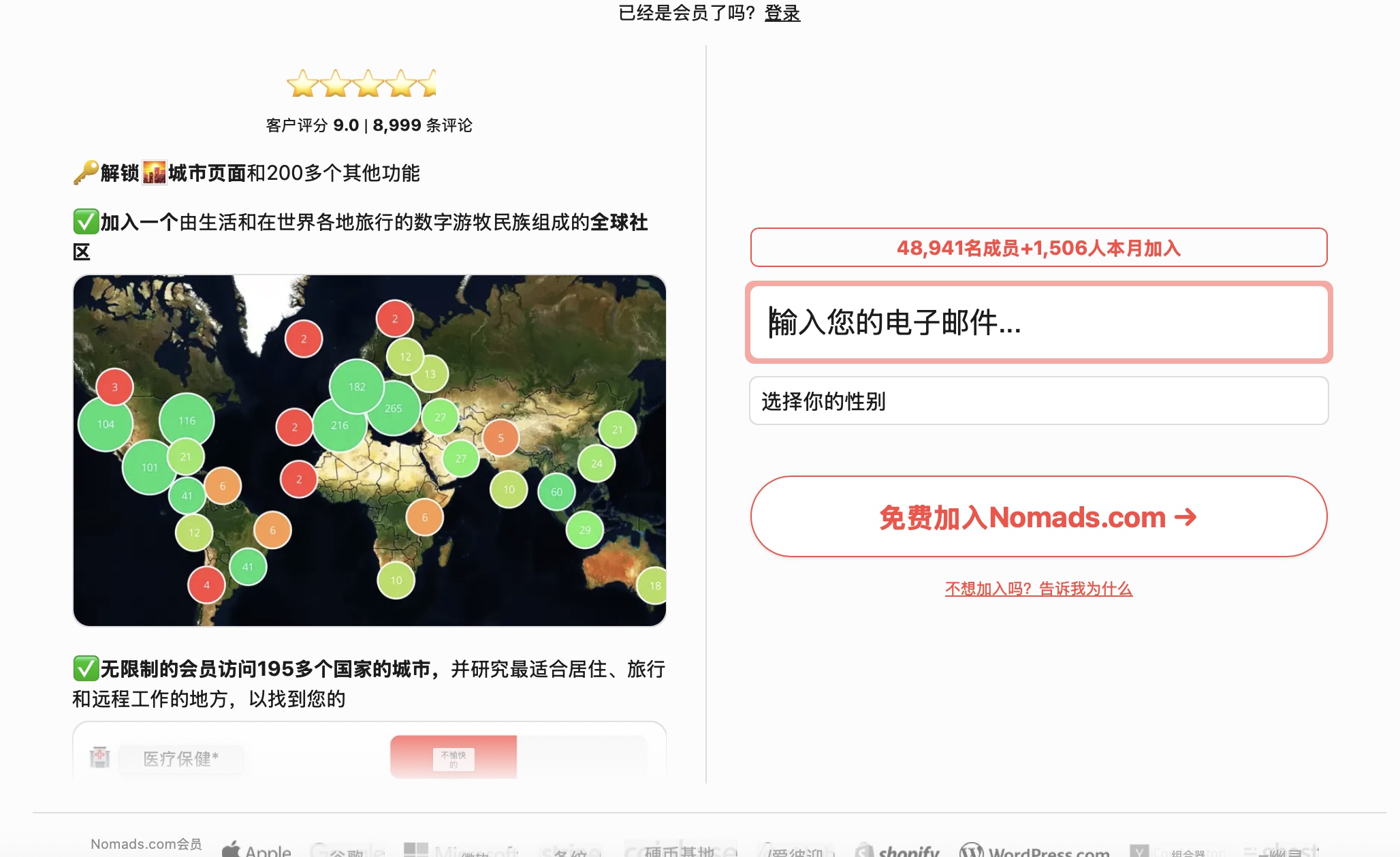
The Platform Behind the Ranking
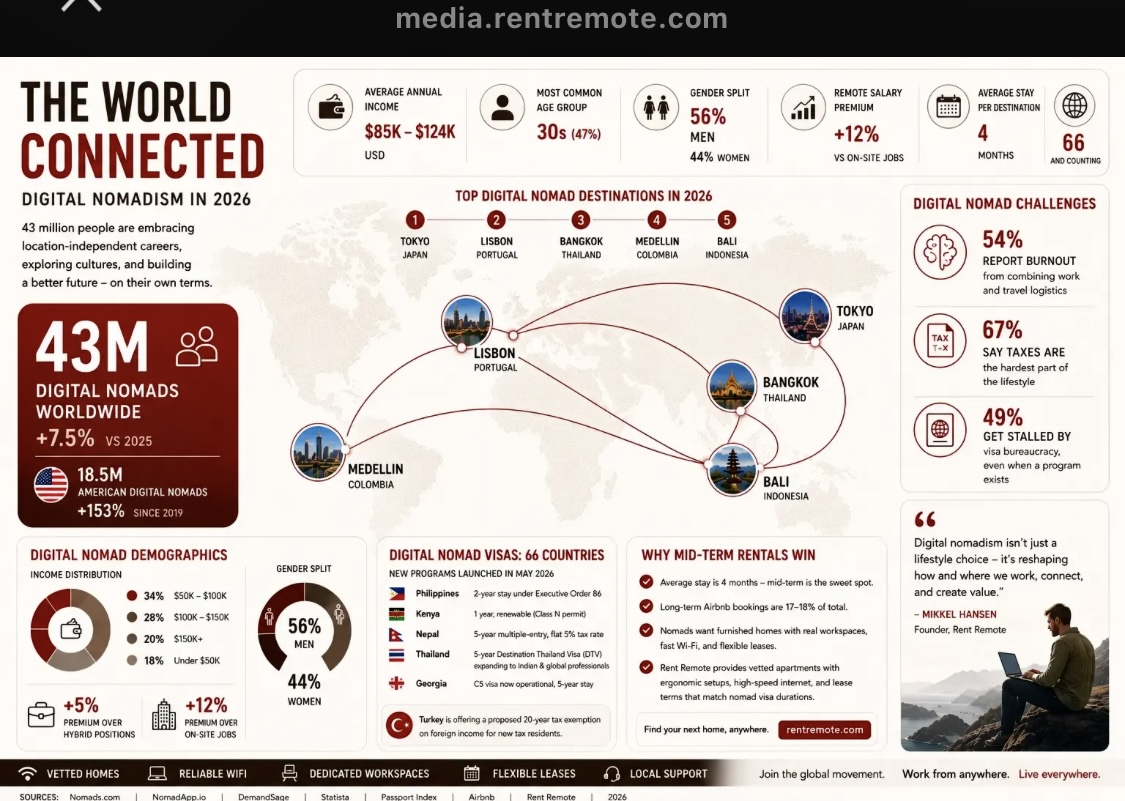
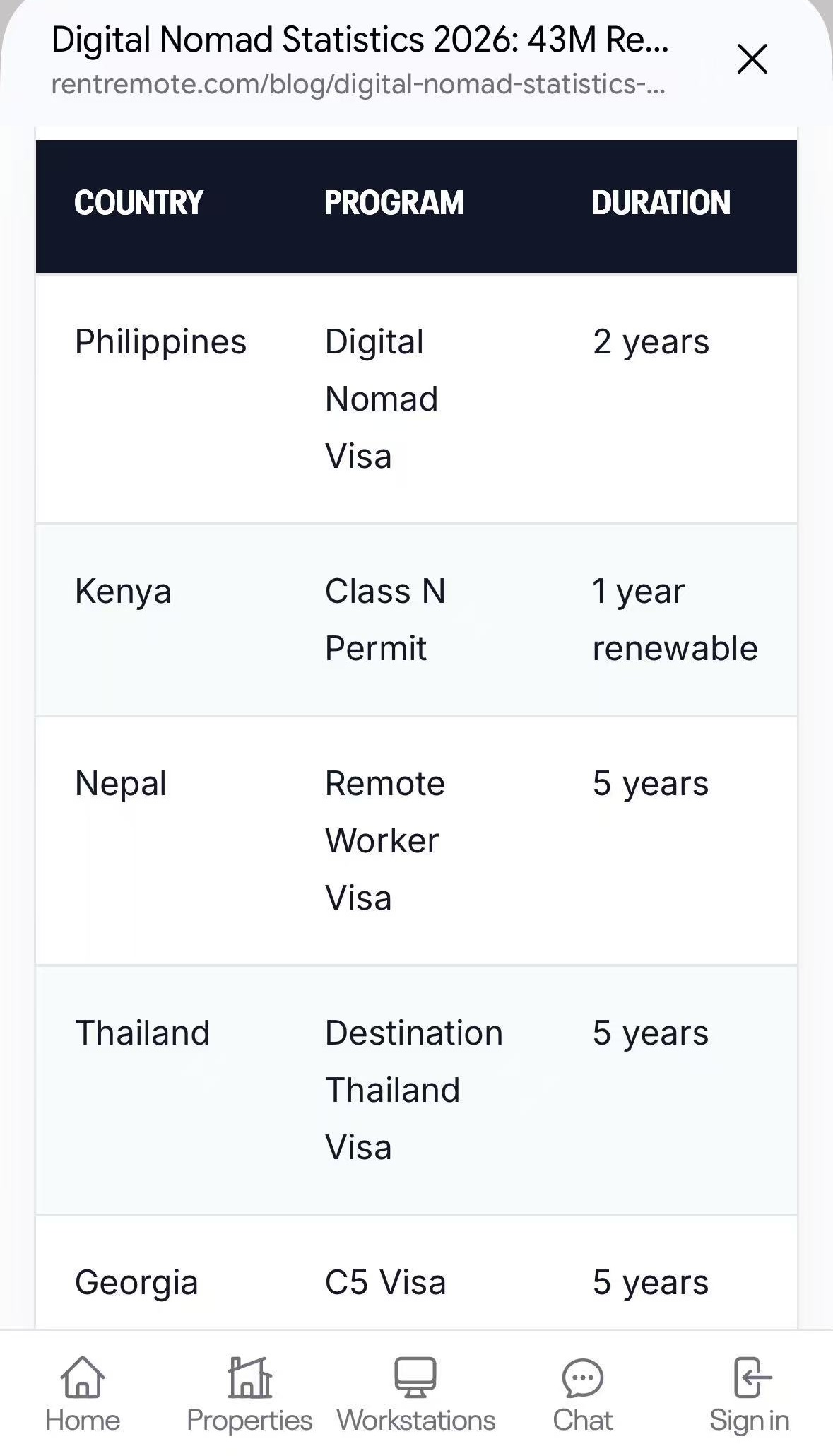
Digital Nomad Visas in 2026
Four parts, one argument
Freedom and cosmopolitanism are real possibilities, but structurally conditioned — by visas, income, platform rankings and market infrastructure.
Digital Nomadism
Work, freedom, and limits.
Neo-Nomadism
Mobility, commodification, social impact.
Cosmopolitanism
Within one world, all are equal.
Comparison
Theoretical comparison, problems, solutions.
Digital nomadism is the empirical object. Neo-nomadism and cosmopolitanism are parallel theoretical lenses — practice-oriented and normativity-oriented — not nested containers. 三者关系:数字游民是经验对象;新游牧主义与世界主义是并列的两副理论透镜,不构成包含关系。
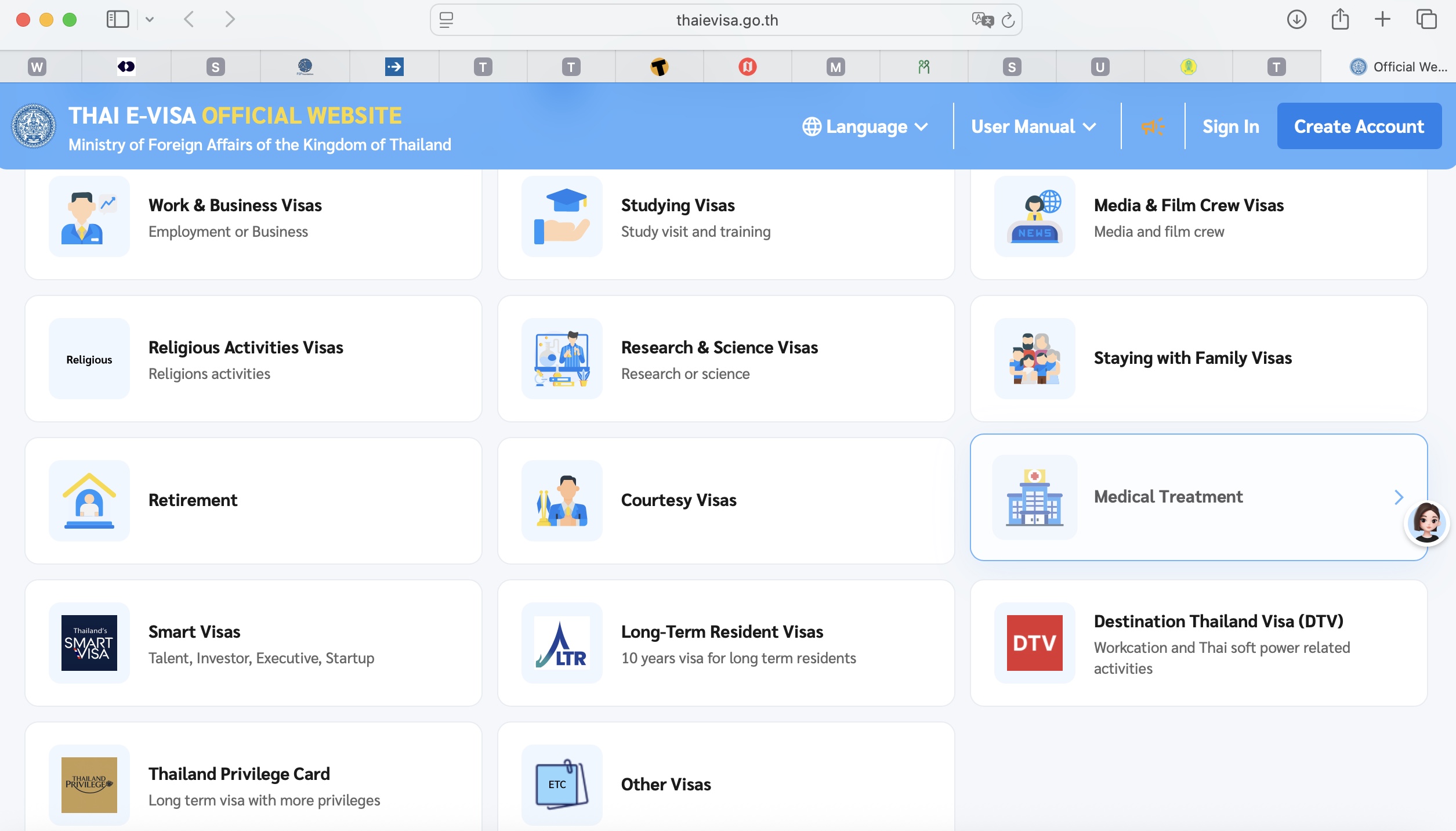
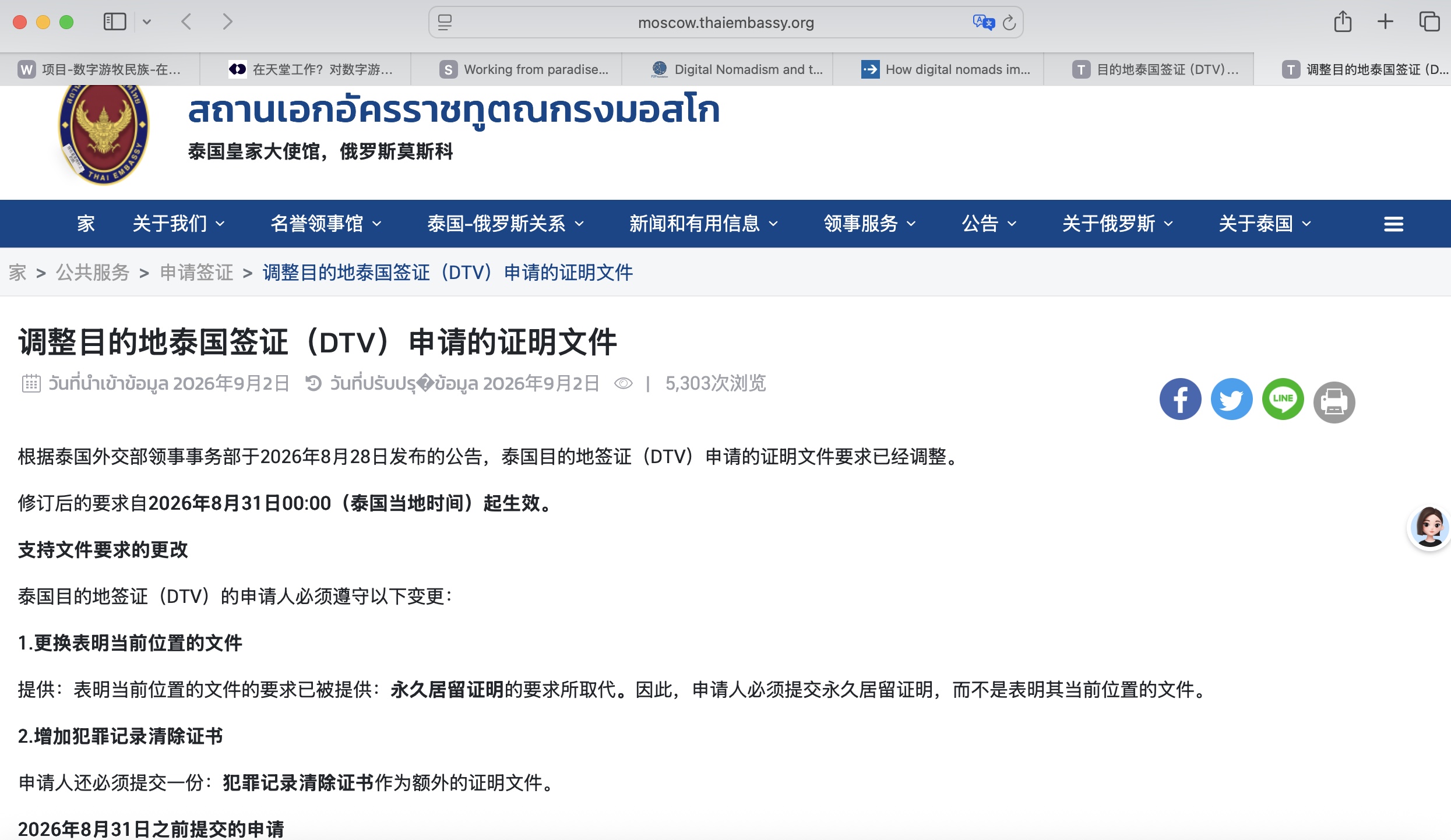
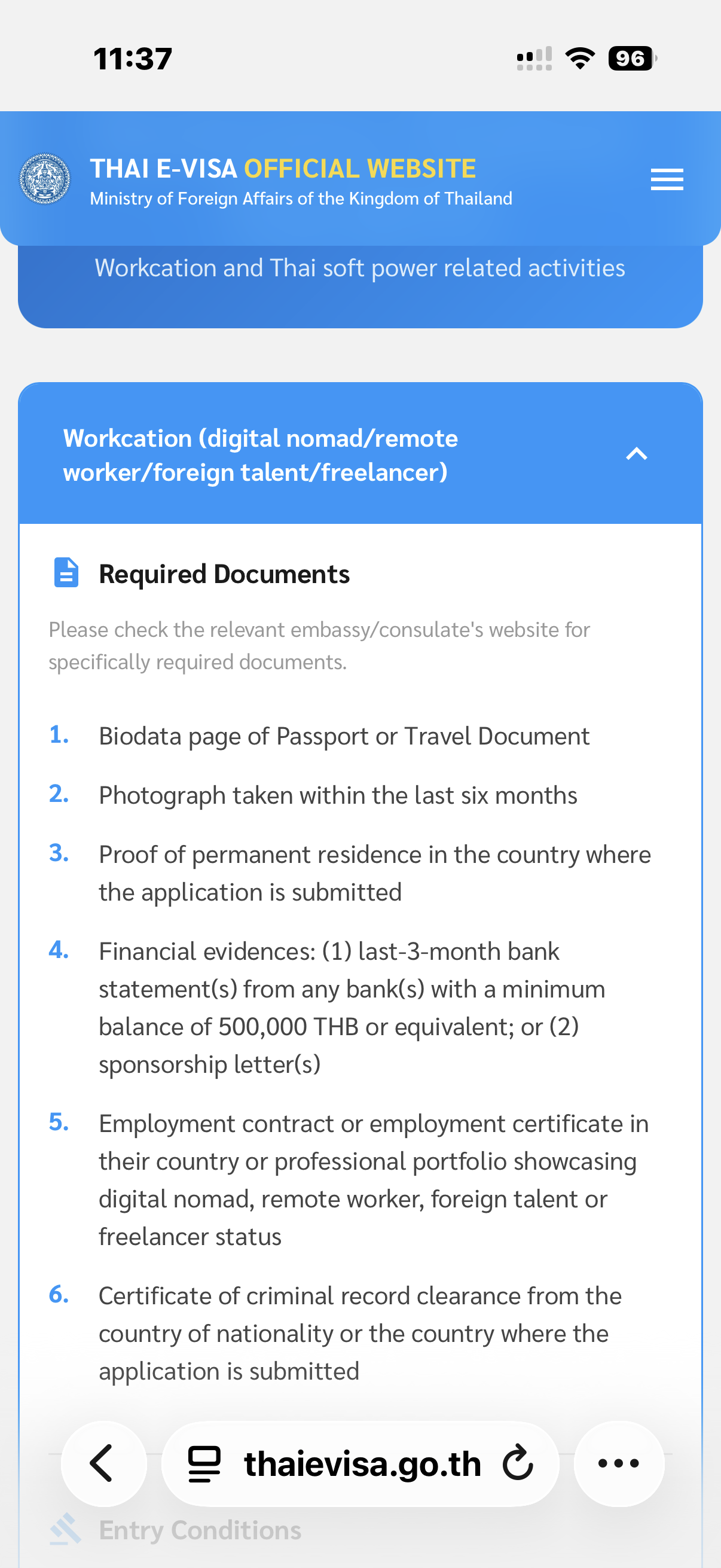
Proof of Residence, Not Just Income
Digital Nomadism
Work, freedom, and the limits of both. 数字游民:工作、自由,以及两者的边界。
SpeakerDING Yuewen · TIAN Jiayi
What Is Digital Nomadism?
Working definition: Digital nomads use digital technologies to work location-independently while travelling; their income comes from outside the destination; they stay longer than tourists; they are not traditional expats.
Why it matters: internet enables work · Instagram performs the lifestyle · ranking websites direct movement · e-visa digitises entry.
Reichenberger (2018):
Holistic Freedom and Its Costs
Why choose location-independent work?
Professional freedom
Choose your work.
Spatial freedom
Not tied to one office or city.
Personal freedom
Live by your own values.
Interviews describe the effort of moving — finding housing, adapting, planning routes, staying productive. Freedom ≠ “no work”. It means deciding where and how to work, while managing more yourself.
“Work should feel meaningful — not just a duty to earn money.”
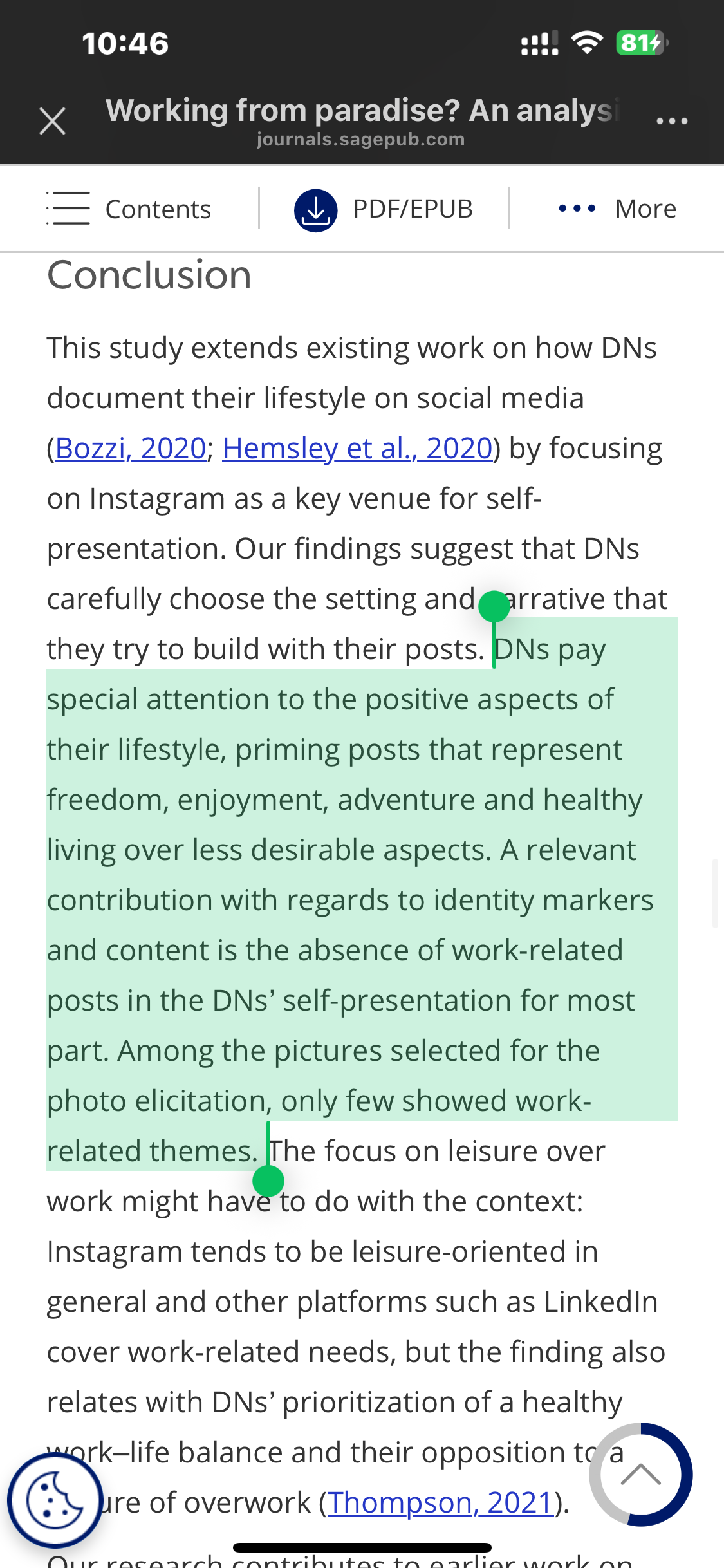
Study conclusion: nomads show freedom, enjoyment and adventure — work-related posts are largely absent.
Freedom Has Three Gatekeepers:
Visa, Income, Tax
Portugal’s D8
Requires income of at least four times the national minimum wage — €3,680 per month in 2026 (Lei 23/2007, art. 61-B; Decreto Regulamentar 84/2007, art. 31-A; figure confirmed against 2026 professional visa guides).
Proof of work
Platform work must be provable; freelancers use portfolios (Fiverr, LinkedIn) for Thailand’s DTV.
Residency & contracts
Cross-border employment creates tax residency, contract-compliance and time-zone problems.
“Location-independent” work still depends on legal belonging and documented income.
Four real barriers: visa, proof of income, tax and labour compliance. 自由的四道现实门槛:签证、收入证明、税务与劳动合规。
Platform Rankings Direct Movement
Drag to reorder — or Tab to a city and use ↑ ↓.
- BaliScore 4.3 · ≈$1,500/mo
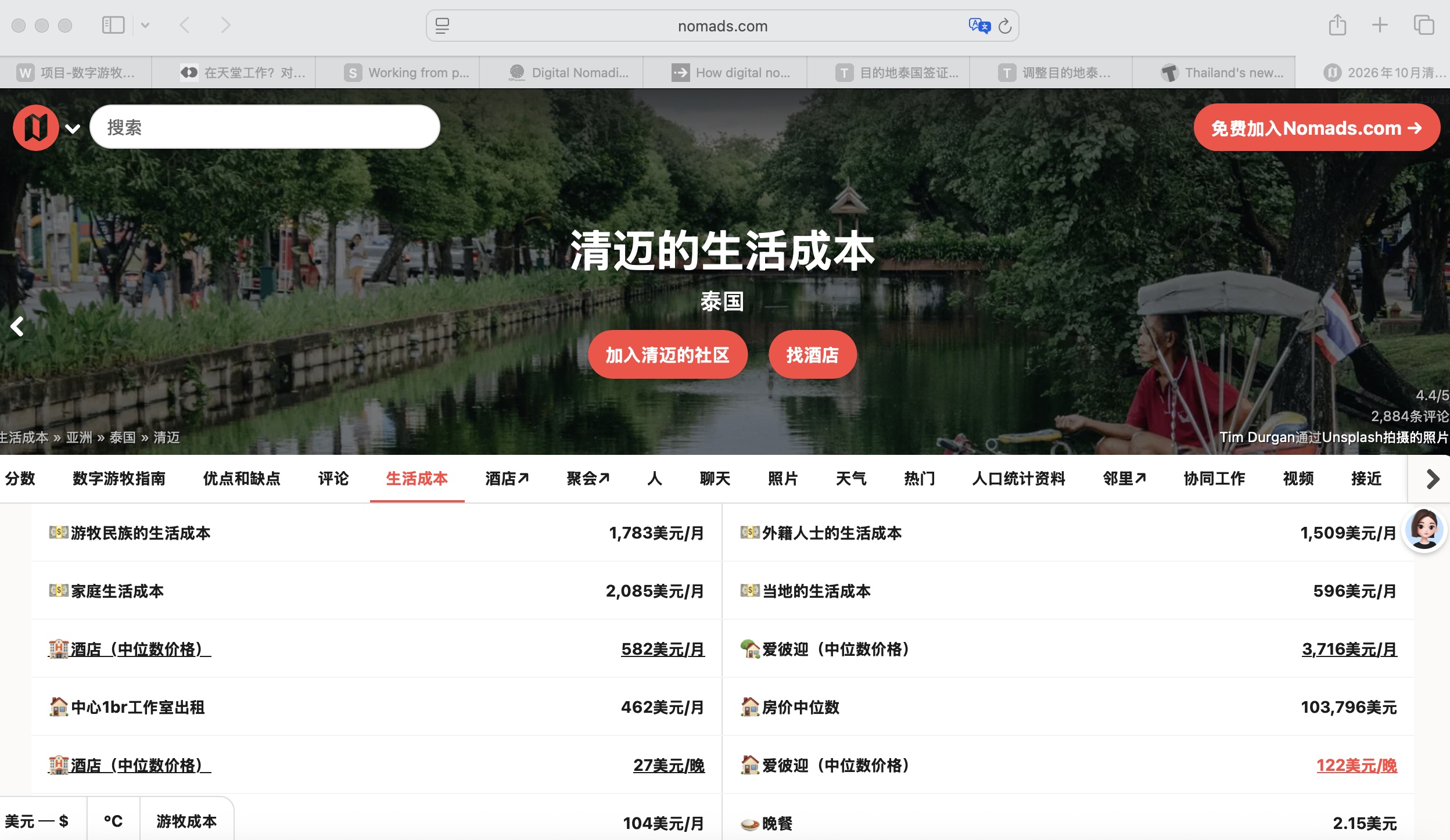
- Chiang MaiScore 4.8 · ≈$1,783/mo
- TbilisiScore 3.9 · ≈$1,100/mo
- LisbonScore 4.5 · ≈$2,100/mo
- MedellínScore 4.1 · ≈$1,200/mo
⚠ Commercial estimates, not official statistics.
A website helps decide where thousands of people go.
Chiang Mai: A Nomad Hub Built on Cheap Infrastructure
If nomads can work anywhere, why do they pick the same places? Mobility is not random — it converges on hubs. 如果数字游民可以在任何地方工作,为什么他们偏偏选择同样的地方?——流动不是随机的,而是向特定枢纽聚集。
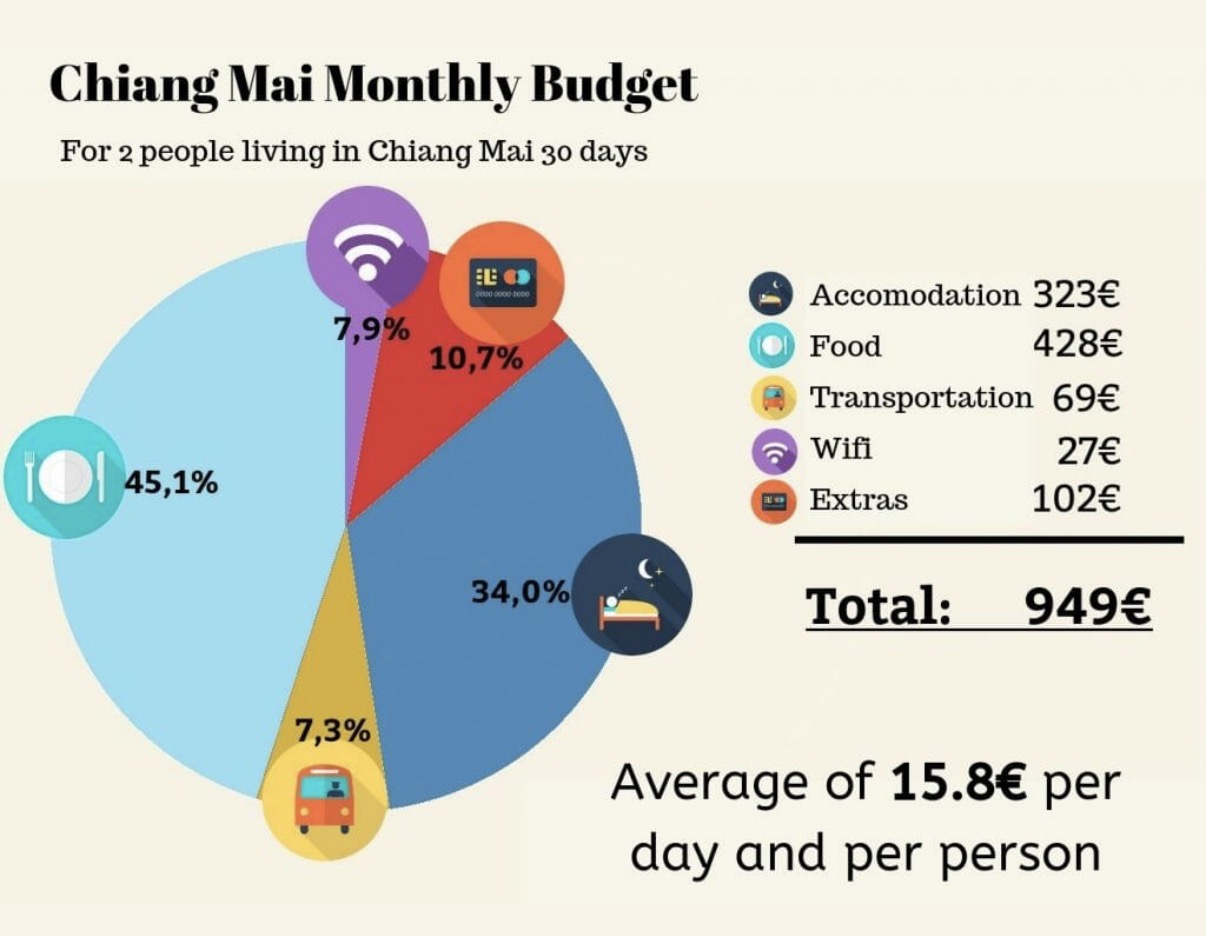
15.8€ per day per person; about 949€ per month for two — exceptional value for money. 低成本生存:日均约 15.8€/人,月均两人合计约 949€,性价比极高。
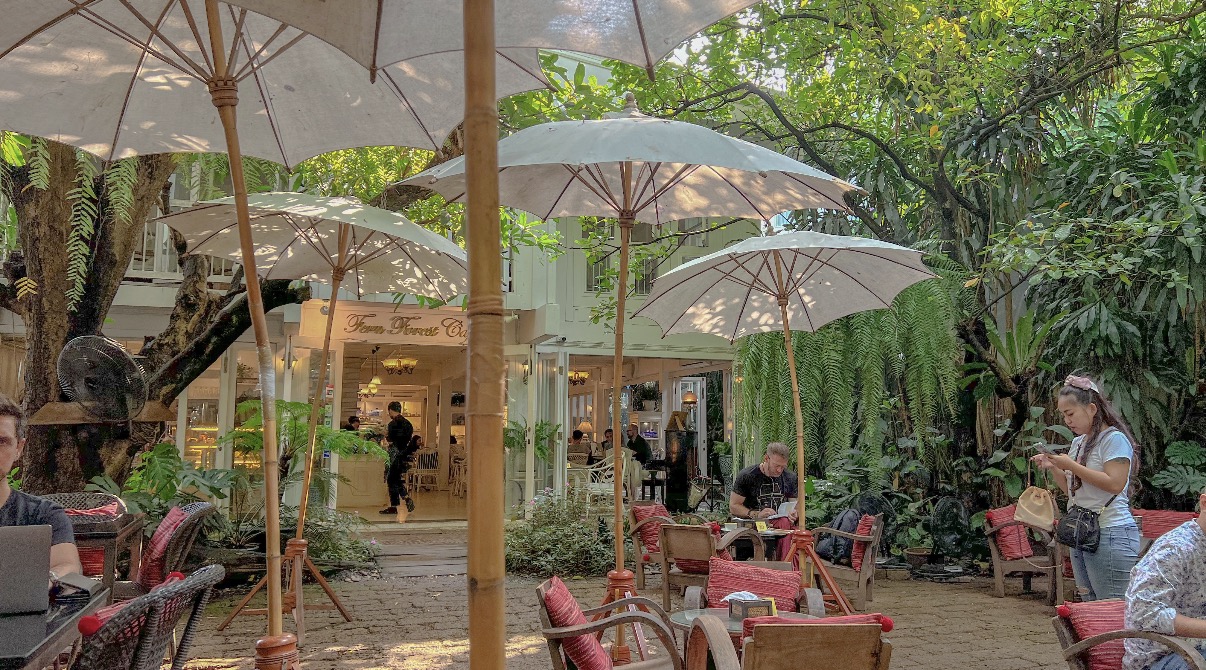
Nimman Road stacks coworking spaces such as Punspace and CAMP alongside jungle cafés. 成熟生态:尼曼路聚集 Punspace、CAMP 等联合办公与雨林咖啡馆。
Low cost + fast internet + coworking + familiar community → more nomads → more services → a stronger hub. 枢纽逻辑:低成本 + 优质网络 + 联合办公 + 熟人社群 → 吸引更多游民 → 催生更多服务 → 巩固枢纽地位。
Bali: Tropical Landscape, Global Digital Community
If the only goal were work, why Bali? The destination also becomes a lifestyle choice. 如果主要目的只是工作,为什么选择巴厘岛?——目的地同时成了一种生活方式的选择。
Canggu and Ubud became global nomad clusters; Outpost and Dojo built mature coworking ecosystems. 工作休闲重叠:长谷、乌布成为全球游民聚居地,Outpost、Dojo 共享办公生态成熟。
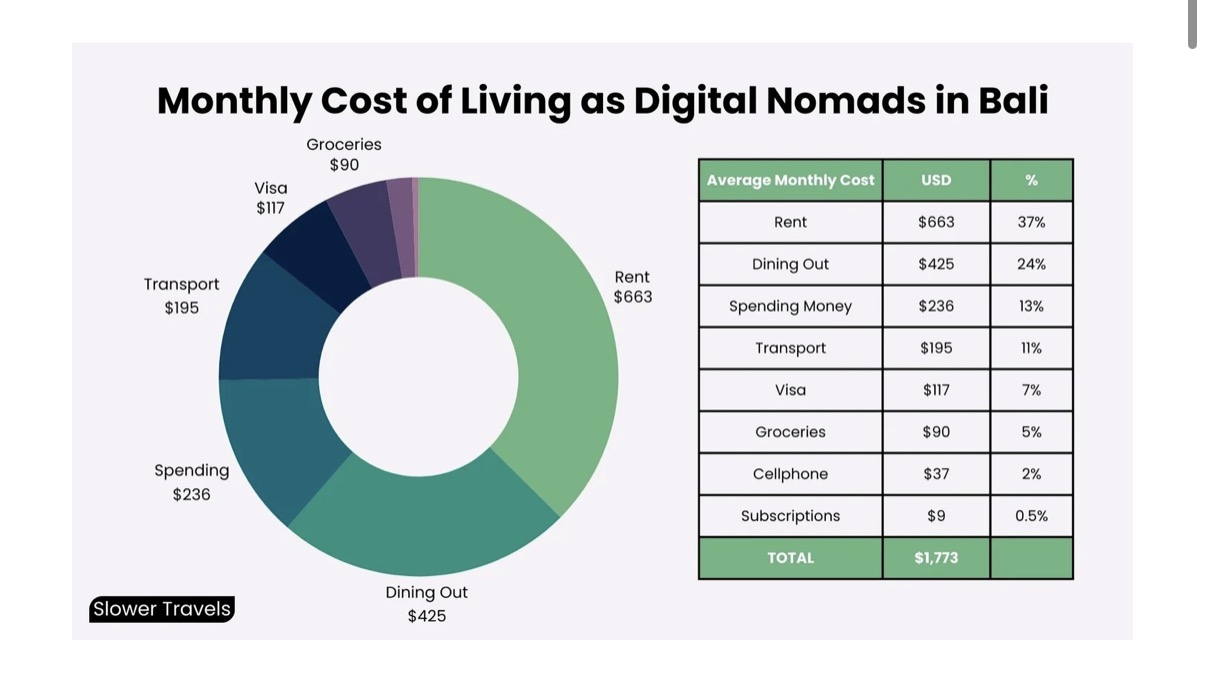
About $1,773 per month — rent 37%, eating out 24%. 月均开销约 1,773 美元/月,其中房租占 37%、外出餐饮占 24%。
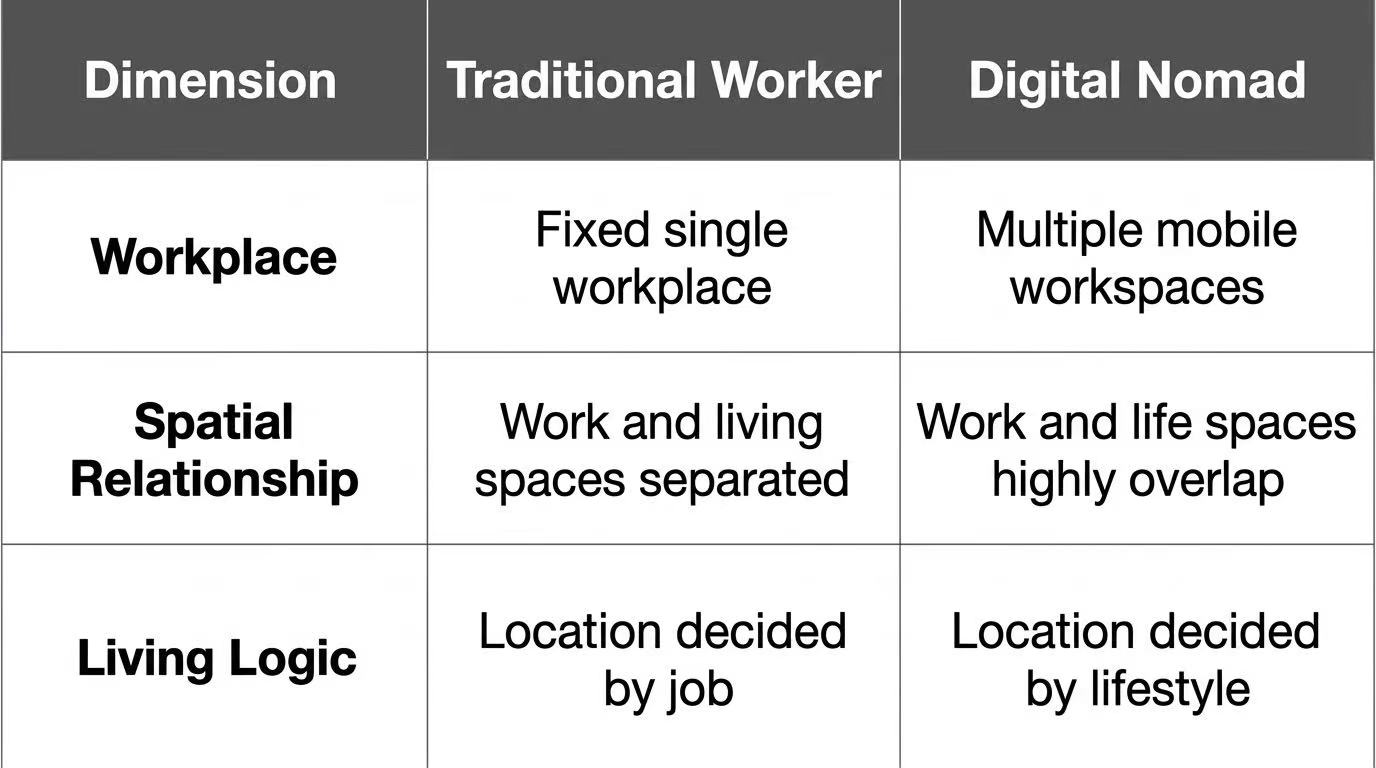
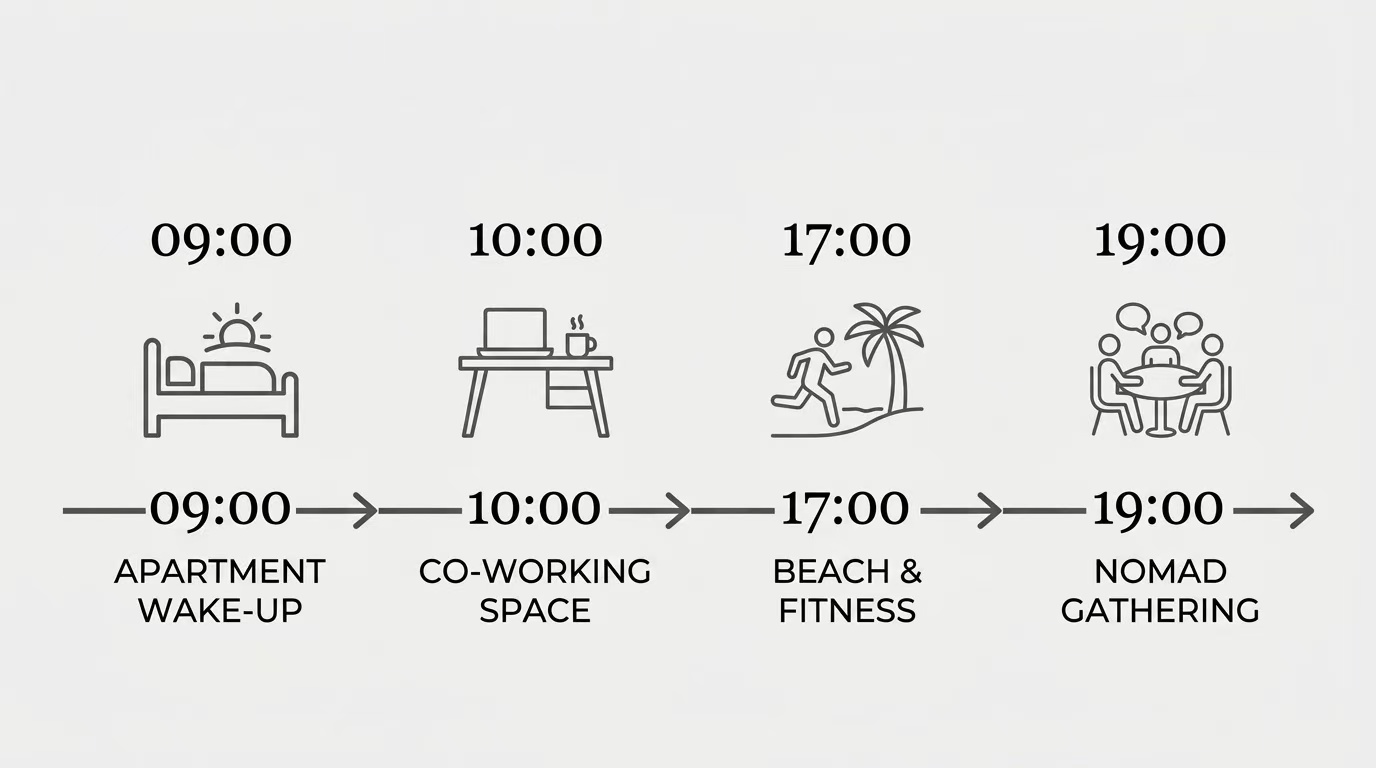
Traditional: home → office → leisure. Nomad: apartment → coworking → café → beach → social life — all in one destination. 空间逻辑转变:传统是家→办公室→休闲地;游民则全部在同一目的地内完成。

Coworking: Why They Still Need a Fixed Place
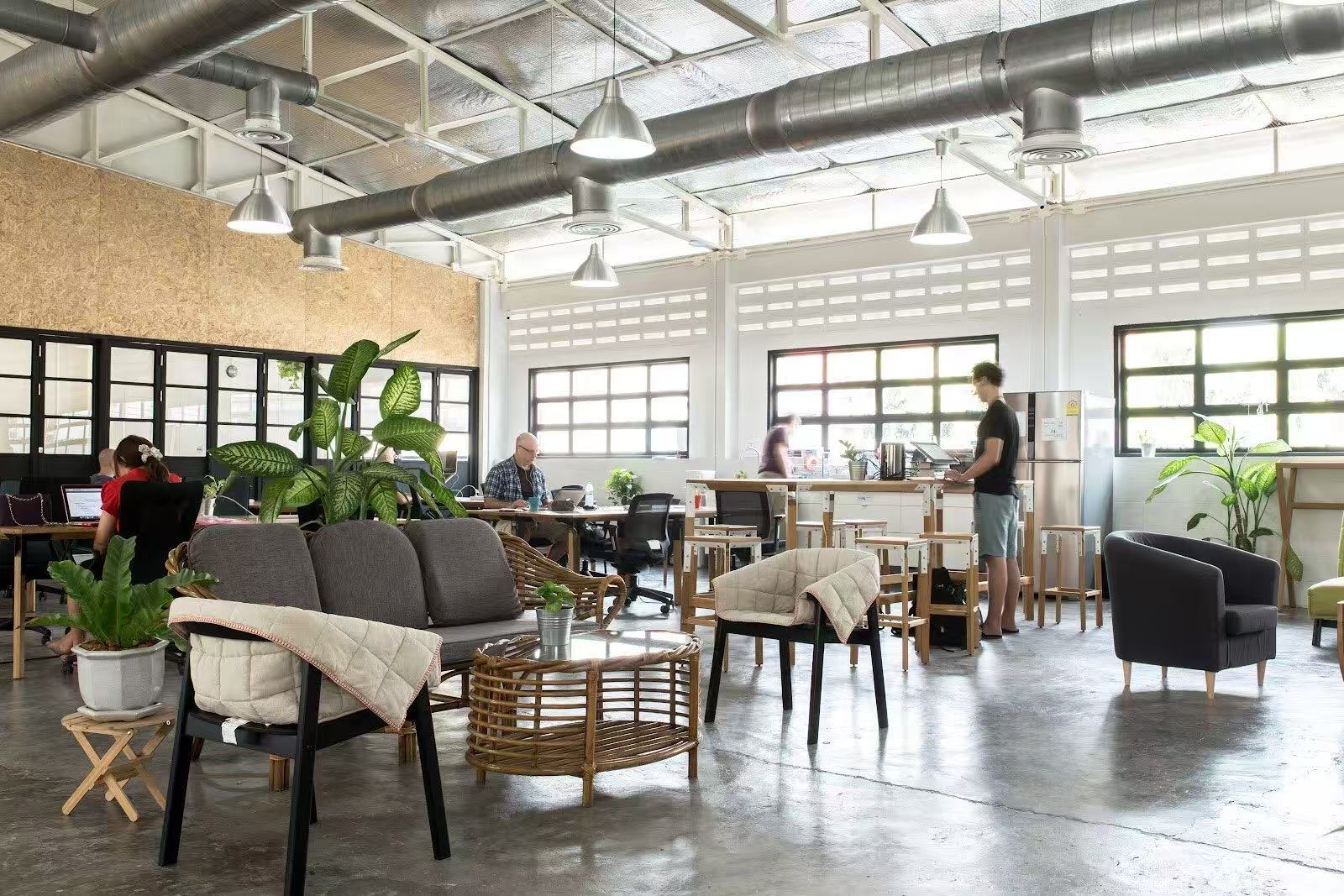
Free of the office, why do nomads still depend on coworking? Location independence does not remove place — it changes what they need from it. 脱离传统办公室后,游民为什么依然依赖共享办公?——地点独立性并没有消除"地方",而是改变了对地方的需求。
Hard infrastructure
Fast Wi-Fi, meeting rooms, stable power and comfortable desks.
Psychological separation
Splits “living” from “working” to keep remote productivity.
Social infrastructure
Networking events help newcomers plug into local networks.
Typical cases
Punspace / CAMP (Chiang Mai); Dojo / Outpost (Bali).
Takeaway: coworking is a hybrid of infrastructure and community — it gives mobility a fixed anchor without ending the movement. 联合办公是基础设施与社区的混合体:给流动一个固定锚点,而不终止流动。
Rebuilding the Boundary between Work and Life
Once the office is decoupled, how does a nomad’s day actually run? 当办公地点解耦后,数字游民的一天如何运转?
Work becomes mobile, and the destination becomes a multi-functional complex. 结论:工作变得可移动,而目的地变成了多功能复合体。
Thresholds and Rules: States React
How do states govern a flow that sits between “tourist” and “worker”? 国家如何管理这种介于"游客"与"务工人员"之间的全新流动形态?
Three months of bank statements, a balance of at least 500,000 THB, and a police clearance certificate. 泰国 DTV:近 3 个月银行流水,账户存款不低于 50 万泰铢,并须提供无犯罪记录证明。
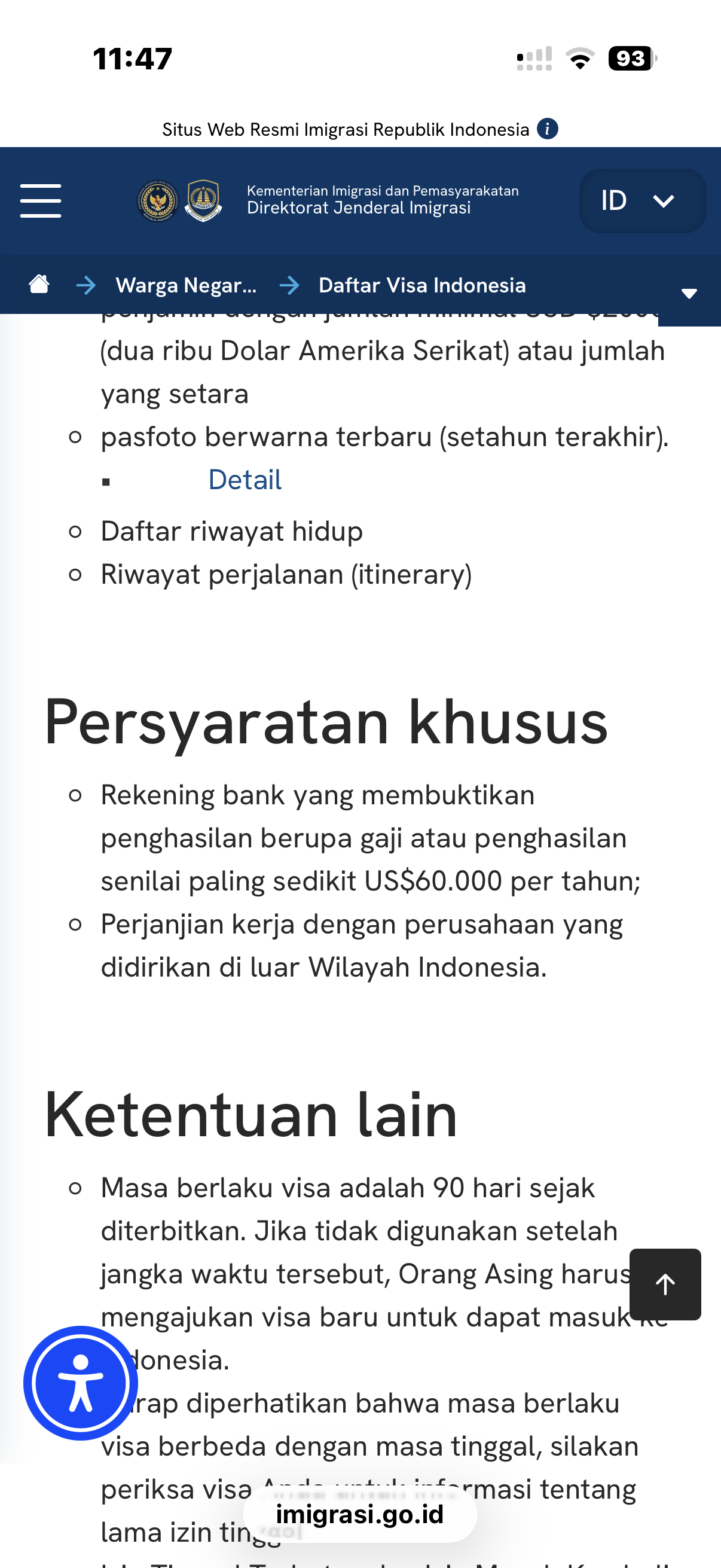
Proof of annual income of at least USD 60,000 and a contract with a company registered outside Indonesia. 印尼 B211A / E33G:须证明年收入不低于 6 万美元,且与印尼境外公司签订工作合同。
The old “tourist vs. resident” binary fails → states create dedicated nomad visas → high-value talent and spending power become a policy reservoir. 本质演变:传统"游客 vs 居民"二分法失效 → 国家主动推出专属签证 → 把高净值人才与消费力当作"政策蓄水池"引入。
Temporary Communities: Connection in Motion
If nomads keep changing cities, why do they still long to build a community? 如果游民不断换城市,他们为什么依然渴望建立社群?
High geographic mobility rises together with the need for psychological and social belonging. 双重悖论:地理上的高流动性,与心理、社交上的归属感需求,同时上升。
Coworking space → offline community events and meetups → temporary social networks. 搭建路径:联合办公空间 → 线下社区活动与聚会 → 构建临时社会关系网。
Nomads are not people who left place behind: they rebuild temporary communities again and again in different places. 核心结论:游民并非"彻底脱离地方的人",而是在不同地方反复构建临时社群的人。
Neo-Nomadism
Mobility, identity, and commodification. 新游牧主义:流动、身份与商品化。
SpeakerLiang Qiaoyao
D’Andrea (2006):
Post-Identitarian Mobility
Neo-nomadism = post-identitarian mobility: identity built through fluidity, rootlessness and aesthetic reflexivity, rather than through fixed anchors such as nationality or hometown.
后身份流动性:流动、无根与审美反思,取代国籍、故乡这类固定身份锚点。
Fluidity
Constant movement.
Rootlessness
No fixed anchors.
Aesthetic reflexivity
Identity built through lifestyle and taste.
Fieldwork was with countercultural expatriates in Ibiza and Goa — techno, New Age, life outside conventions. This is not an empirical study of digital nomads.
Toivanen (2023):
Digital Nomad Infrastructure
Digital nomad infrastructure (DNI) = coworking, coliving, events, remote-work programmes, visa services, specialised housing, insurance and online platforms built for nomads.
数字游民基础设施:专为游民搭建的共享办公、共居、活动、签证服务与线上平台。
Infrastructure prescribes where to go, where to stay, whom to meet, and what an “ideal” nomad life looks like.
Lowers entry barriers · provides social infrastructure · shapes routes and social relations.
Neo-nomadic life is turning from counterculture into a commercial model.
Destination Impacts:
Ambivalent and Uneven
- More coworking, cafés, local business chances
- Knowledge sharing; better digital infrastructure
- Gentrification, socio-economic gaps, cultural clashes
- Separate social circles
The paper’s own word: “ambivalent.”
Housing protests in Lisbon, October 2026 — residents demonstrated against soaring housing costs and the so-called influx of digital nomads (DW; Reuters). Contextual evidence only; the analytical claim rests on Jiwasiddi et al. (2024).
Residents’ interests · housing affordability · social integration · fair infrastructure use.
What Digital Technology Actually Does
Click any card to see the numbers behind it. 0 / 4 revealed
$1,200–2,500
Digital technology is not a neutral tool — it ranks, curates, connects and gates.
Commodification does not erase
counterculture — it relocates it
From lifestyle → to consumption choice. 商品化没有消灭反文化,而是把反文化从生活方式转移到了消费选择上。
Identity is fluid, rootless, aesthetically reflexive.
S4DNI packages the lifestyle into a commercial model.
S5Infrastructure lowers entry barriers but guides routes.
S5Nomads still use “freedom” and “escape” language.
S5Counter-argument: if everything is packaged, is the “alternative” still alternative?
Neo-Nomadism — Recap and Limit
Identity is multiple, fluid, transnational — but D’Andrea’s evidence is not digital nomads.
Mobility is increasingly commodified by digital nomad infrastructure.
Impacts are ambivalent and uneven — benefits and costs fall on different groups.
Platforms and rankings shape identity, not only travel. 数字视角:平台与排名塑造的不只是路线,还有身份。
Toivanen leaves open how nomads use, adapt or resist infrastructure.
Cosmopolitanism
Within one world, all are equal. 世界之内,人人平等。
SpeakerLI Xiangxuan
Classical Cosmopolitanism 古典世界主义
Cynic Cosmopolitanism 犬儒派世界主义

Core idea. A person belongs to the world before belonging to a single city-state. Freedom begins by questioning artificial conventions.
Impact. Introduced the idea of the “citizen of the world” and challenged the exclusive political identity of the polis.
Stoic Cosmopolitanism 斯多葛世界主义
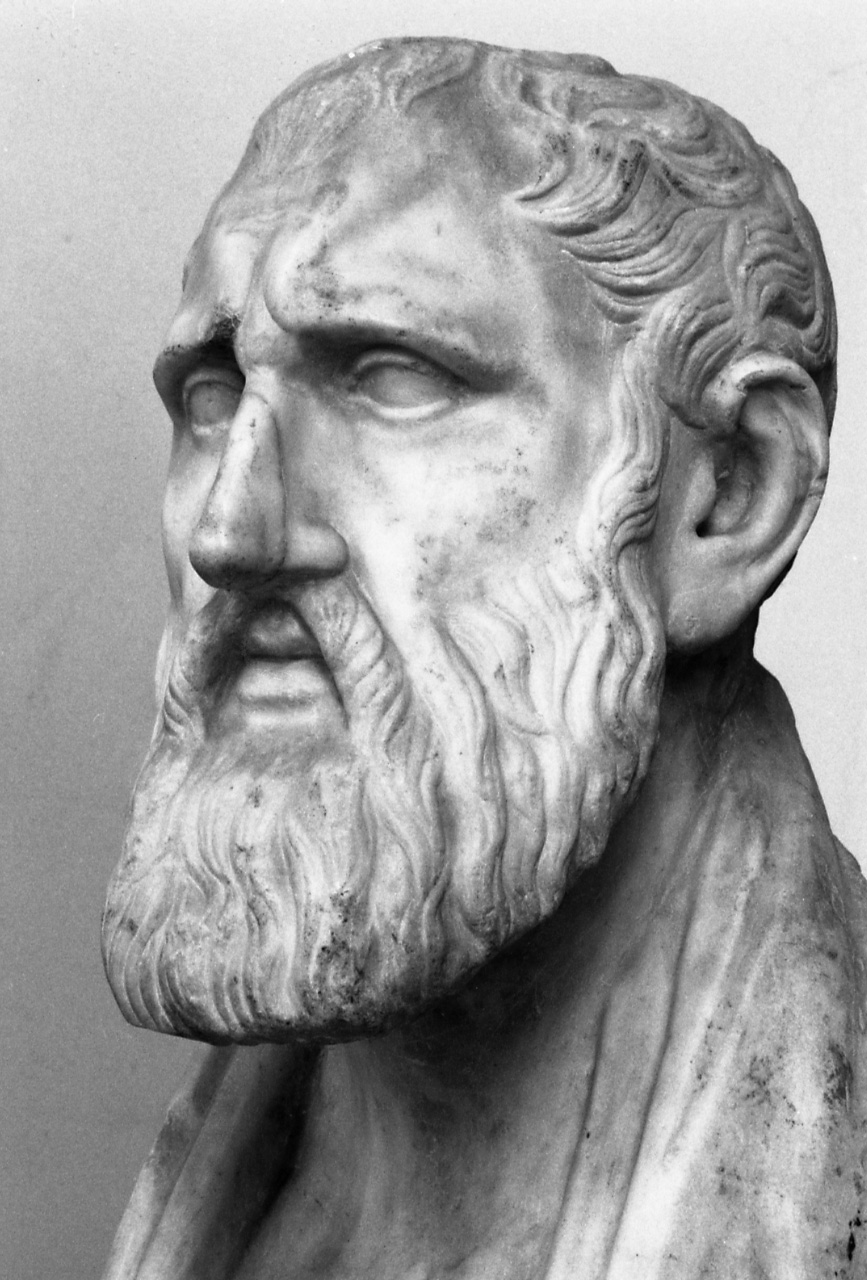

Core idea. All human beings participate in a common rational order (logos) and therefore possess equal moral worth.
Impact. Shaped Roman natural-law thinking, Christian universalism and later ideas of universal human rights.
Religious Universalism 宗教普遍主义
Christian Cosmopolitanism 基督教世界主义
Core idea. Human beings are equal before God, and faith can form a community that transcends ethnic and political boundaries.
Impact. Created a transregional moral community across medieval Europe and strengthened universal ethical language.
Cosmopolitanism in the 17th–18th Centuries 启蒙与康德世界主义
Enlightenment Cosmopolitanism 启蒙世界主义

Core idea. Reason should overcome inherited prejudice; shared humanity is more fundamental than national difference.
Impact. Helped establish universal rights, internationalism and a commercial ethic of peaceful exchange.
Kantian Cosmopolitanism 康德世界主义
Core idea. Every person has equal moral worth and must be treated as an end.
Impact. Grounded modern human-rights theory and global-justice ethics.
Political Cosmopolitanism 政治世界主义
Core idea. Republican states should cooperate under international law and cosmopolitan right.
Impact. Inspired projects of federation, international institutions and lasting peace.
The Differentiation of 19th-Century Cosmopolitanism 19 世纪的分化
Cosmopolitan thought split between liberal interdependence and class-based international solidarity.
Liberal Cosmopolitanism 自由主义世界主义
Core idea. Free trade and interdependence can reduce conflict among nations.
Impact. Expanded economic globalization and the international trade system.
Marxist Internationalism 马克思主义国际主义

Core idea. Workers share interests across national boundaries and should organize internationally.
Impact. Inspired socialist internationals, labor movements and transnational left politics.
Modern Cosmopolitanism: Institutions, Globalization, Digital Age 现代世界主义
Institutional Cosmopolitanism 制度 · 法律 · 人权世界主义
John Rawls · Thomas Pogge
Impact. International law, universal human-rights norms, refugee protection, international courts and aid.
Globalization Cosmopolitanism 文化 · 反思性世界主义


Kwame Anthony Appiah
Impact. Multiculturalism, hybrid identities, cross-cultural communication, climate governance and global public-health cooperation.
Digital-Age Cosmopolitanism 数字时代世界主义
Sandra Ponzanesi
Impact. Cross-border digital publics, cognitive diversity, connected migrants and critical awareness of algorithmic inequality.
Diversity in the Hong Kong Police Force 香港警队的多元性
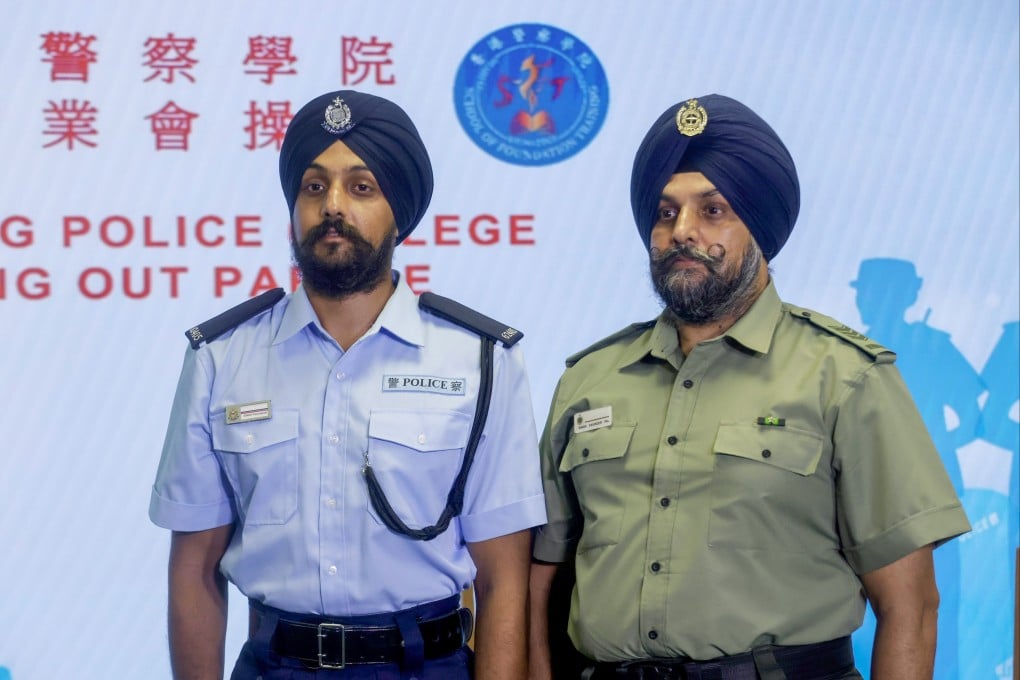
Singh Palvinderjit (Ada)
Police Constable; graduated from the Police College in July 2025 after six months of training. During an eight-hour field attachment he handled three non-ethnic-Chinese cases in Punjabi and Hindi.
Singh Gimandeep (Deep)
Joined as an auxiliary officer in 2014 and became an inspector in 2017. By 2023 he was a Senior Inspector leading Team 5A of the Kowloon West Regional Crime Unit.
Rajindarpal Singh Pannu
A third-generation member of a Hong Kong policing family; served in the Force for decades and became a visible symbol of the long Sikh contribution to local policing.
Why it matters. A more representative police service can reduce language barriers, strengthen trust and make public institutions more visibly inclusive.
Diversity among Residents, Workers and Community Organizations 居民、劳动者与社区组织
Ethnic-minority delivery riders
Platform work makes multicultural labour highly visible in everyday Hong Kong, while research and reporting have documented discrimination and precarious conditions.
Chungking Mansions
A vertical hub of “superdiversity” linking residents, traders, tourists, restaurants, guesthouses and migrant networks from South Asia, Africa and beyond.

Kowloon City Unity Cup 2026
Organized and promoted by District Councillor Prof. Rizwan Ullah; held on 7 June 2026 at To Kwa Wan Sports Park, with more than 200 participants and NGOs.
Cosmopolitan significance. These cases show cosmopolitanism as lived practice: mobility, coexistence, public recognition and negotiated belonging within one city.
Comparison
Theoretical comparison, problems and solutions. 理论对比、问题与解决方案。
SpeakerMIAO Jiaming
Neo-Nomadism vs. Cosmopolitanism:
Parallel Lenses
Neo-Nomadism
- Focus
- Practice: mobility, identity, markets, infrastructure
- Key question
- How is mobility organised and commodified?
- Sources
- D’Andrea (2006); Toivanen (2023)
- Contribution
- Explains social impact and DNI
- Limit
- Can describe without judging
Cosmopolitanism
- Focus
- Normativity: global responsibility, belonging, contestation
- Key question
- Under what conditions is mobility cosmopolitan?
- Sources
- Horst & Olsen (2021); Ingram (2016)
- Contribution
- Provides a test: does practice challenge exclusion?
- Limit
- Can judge without empirical detail
Parallel and complementary — not nested.
Problems: Nomads and Destinations
- Visa and income thresholds
- Tax residency and contract compliance
- Time-zone mismatch and isolation
- Platform dependence and ranking pressure
- Rent and cost-of-living pressure
- Uneven local benefits
- Social separation and cultural friction
- Public-management and infrastructure strain
Costs and benefits fall on different groups — so “good or bad” is too simple.
Costs and benefits fall on different groups —
so “good or bad” is too simple.
Solutions and Management Cases
Visa design
Income thresholds and clear work restrictions (Portugal D8; Thailand DTV) — note exclusionary effects.
Platform compliance
Cross-border employment platforms offer tax and contract support (commercial services; not neutral).
City policy
Housing affordability, social integration, fair infrastructure use (Jiwasiddi et al. 2024).
Japan case
Digital-nomad visa as “Designated Activities” (Notification No. 53): stay up to 6 months, non-renewable, remote work for a foreign employer only — Immigration Services Agency of Japan (MOJ).
Judge solutions by whether they reduce exclusion and domination, not only by economic growth.
Back to the Café
- The laptop user has real freedom — but the visa asks where she holds permanent residence.
- She may have chosen the city from a ranking.
- Online, she may show the beach, not her work.
- The barista faces changing costs — evidence is mixed.
Would they ever really talk?
Our central gap.
Internet makes the lifestyle possible.
Instagram makes it visible — selectively.
Platforms and visas decide who enters.
Freedom and cosmopolitanism are possible but not automatic: they depend on who may move, how markets organise mobility, and whether practice contests exclusion.
Mobility is the starting point, not the finish line.
Mobility is the starting point,
not the finish line.
Sources
[S1] Reichenberger, I. (2018). Digital nomads—A quest for holistic freedom in work and leisure. Annals of Leisure Research, 21(3), 364–380.
[S2] Jiwasiddi, A., Schlagwein, D., Cahalane, M., Cecez-Kecmanovic, D., Leong, C., & Ractham, P. (2024). Digital nomadism as a new part of the visitor economy. Information Systems Journal, 34(5), 1493–1535.
[S4] D’Andrea, A. (2006). Neo-nomadism: A theory of post-identitarian mobility in the global age. Mobilities, 1(1), 95–119.
[S5] Toivanen, M. (2023). Countercultural lifestyle no more? Mobility Humanities, 2(2), 70–89.
[S6] Horst, C., & Olsen, T. V. (2021). Transnational citizens, cosmopolitan outlooks? Nordic Journal of Migration Research, 11(1), 4–19.
[S7] Kirpitchenko, L. (2014). Locating cosmopolitanism within academic mobility. Cosmopolitan Civil Societies, 6(1), 56–77.
[S19] Ingram, J. D. (2016). Cosmopolitanism from below: Universalism as contestation. Critical Horizons, 17(1), 66–78.
[S20] Kant, I. (1795). Zum ewigen Frieden (Perpetual Peace).
[S21] Deutsche Welle & Reuters. (2026, October). Reporting on Lisbon housing protests and the influx of digital nomads.
[S22] Immigration Services Agency of Japan (MOJ). Designated Activities (Notification No. 53) — digital-nomad residence status; up to 6 months, non-renewable, remote work for a foreign employer.
[S23] Slower Travels. Monthly budgets / costs of living for digital nomads (Chiang Mai; Bali).
[S24] Channel News Asia (CNA). “More digital nomads calling Bali home, but this comes at a price for the island and locals.”
[S25] FazWaz. Chiang Mai Rental Price Index 2023.
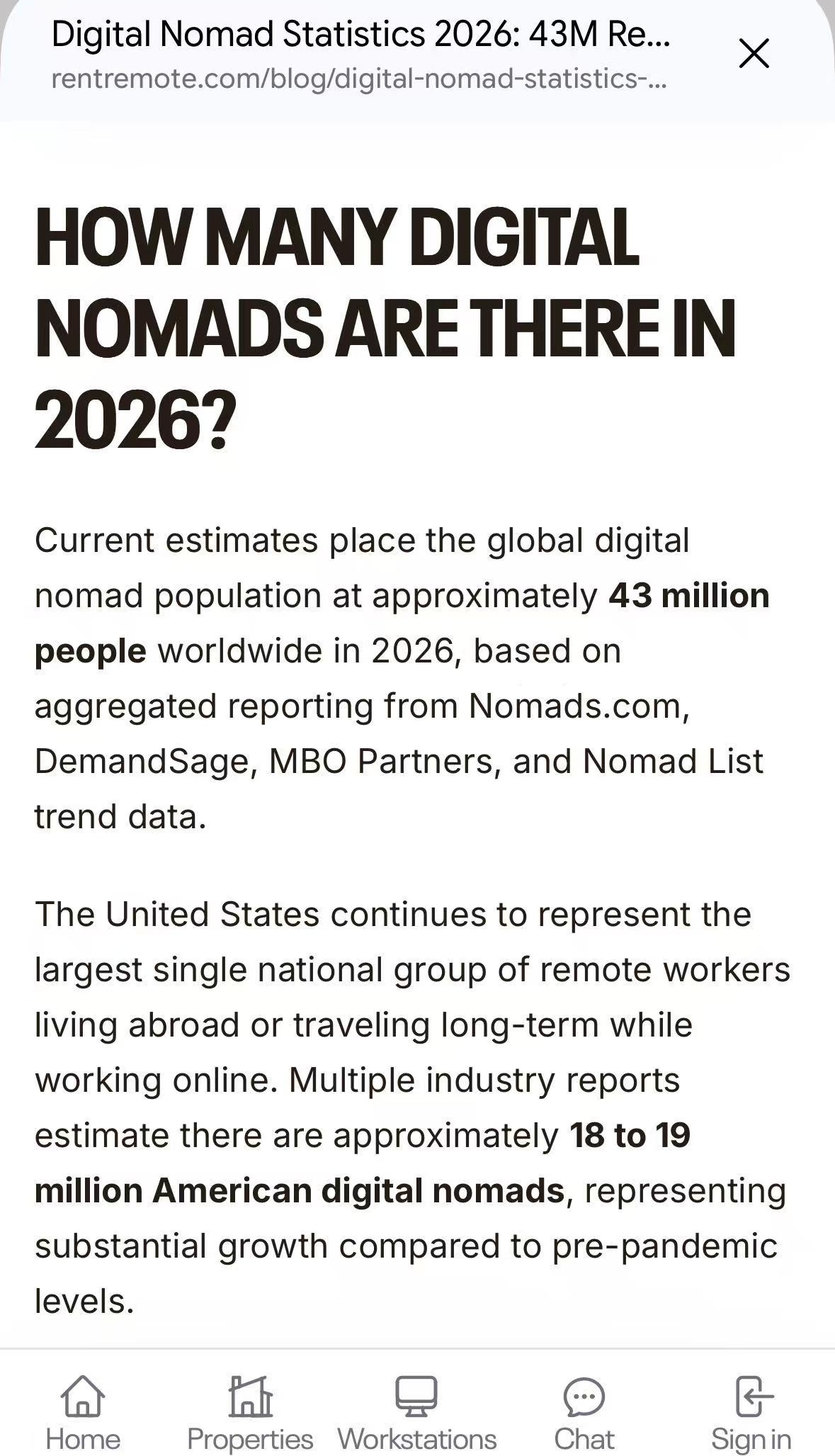
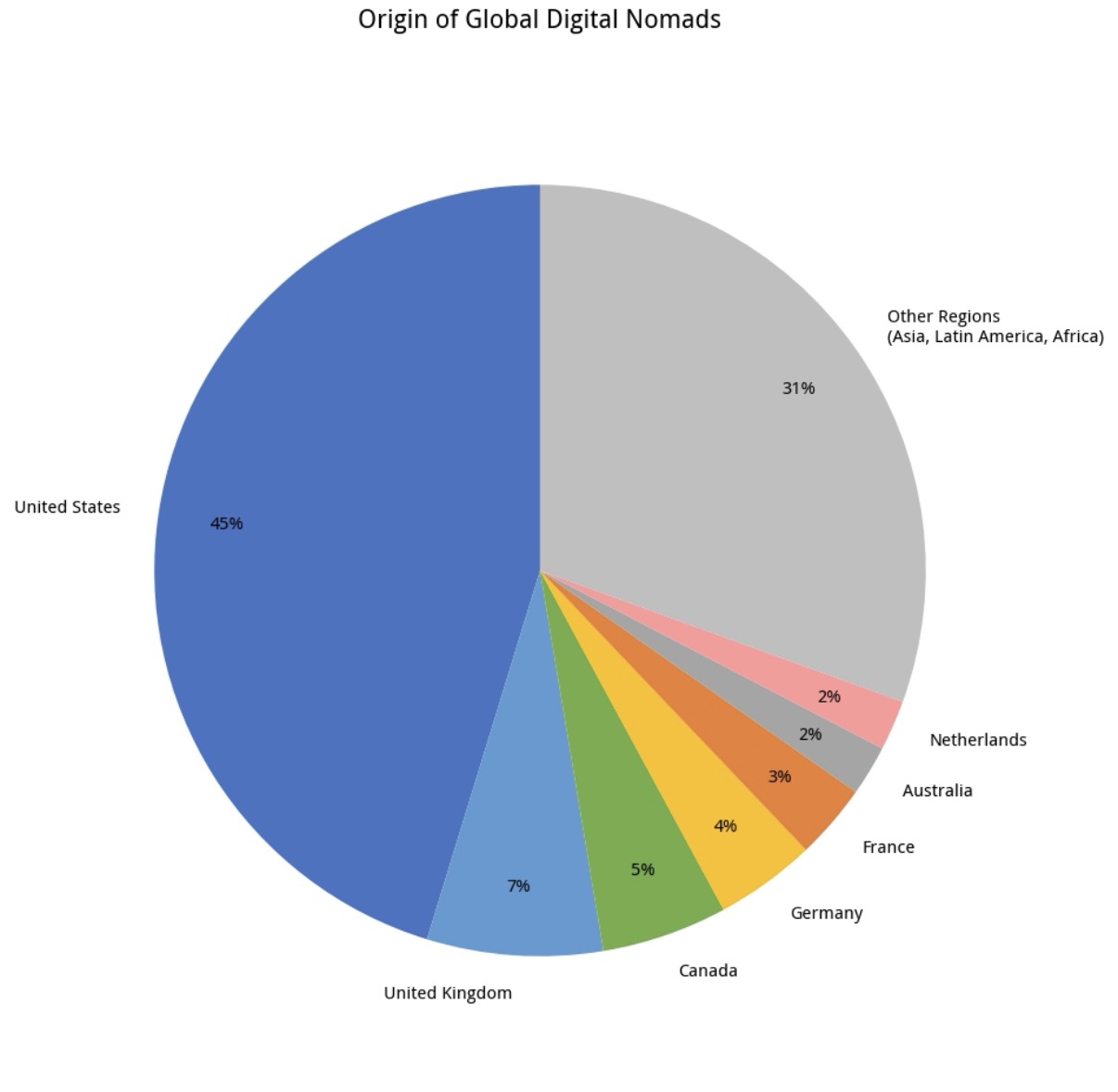
[S26] Nomad List / Global Citizen Solutions. Origin of global digital nomads (combined estimate).
[S27] Portugal. Lei n.º 23/2007, art. 61.º-B (residence for remote work); Decreto Regulamentar n.º 84/2007, art. 31.º-A. Income threshold €3,680/month (4× the 2026 national minimum wage), confirmed against 2026 professional visa guides.
[S8] Miguel, C., Lutz, C., Majetic, F., & Perez-Vega, R. (2025). Working from paradise? New Media & Society.
[S3] UNSW BusinessThink. (2024, May 26). How digital nomads impact local communities.
[S11] Royal Thai Embassy — Destination Thailand Visa (DTV) page (2026).
[S12] Thai Ministry of Foreign Affairs — DTV requirements announcement (2026, August 31).
[S14] Nomads.com. (2026, October 31). Chiang Mai city data and Nomad Score (commercial estimate).
[S9, S10, S13, S15–S18] Supporting critical essays, reporting and commentary listed in the appendix.
Thank you.
We would love your questions.